
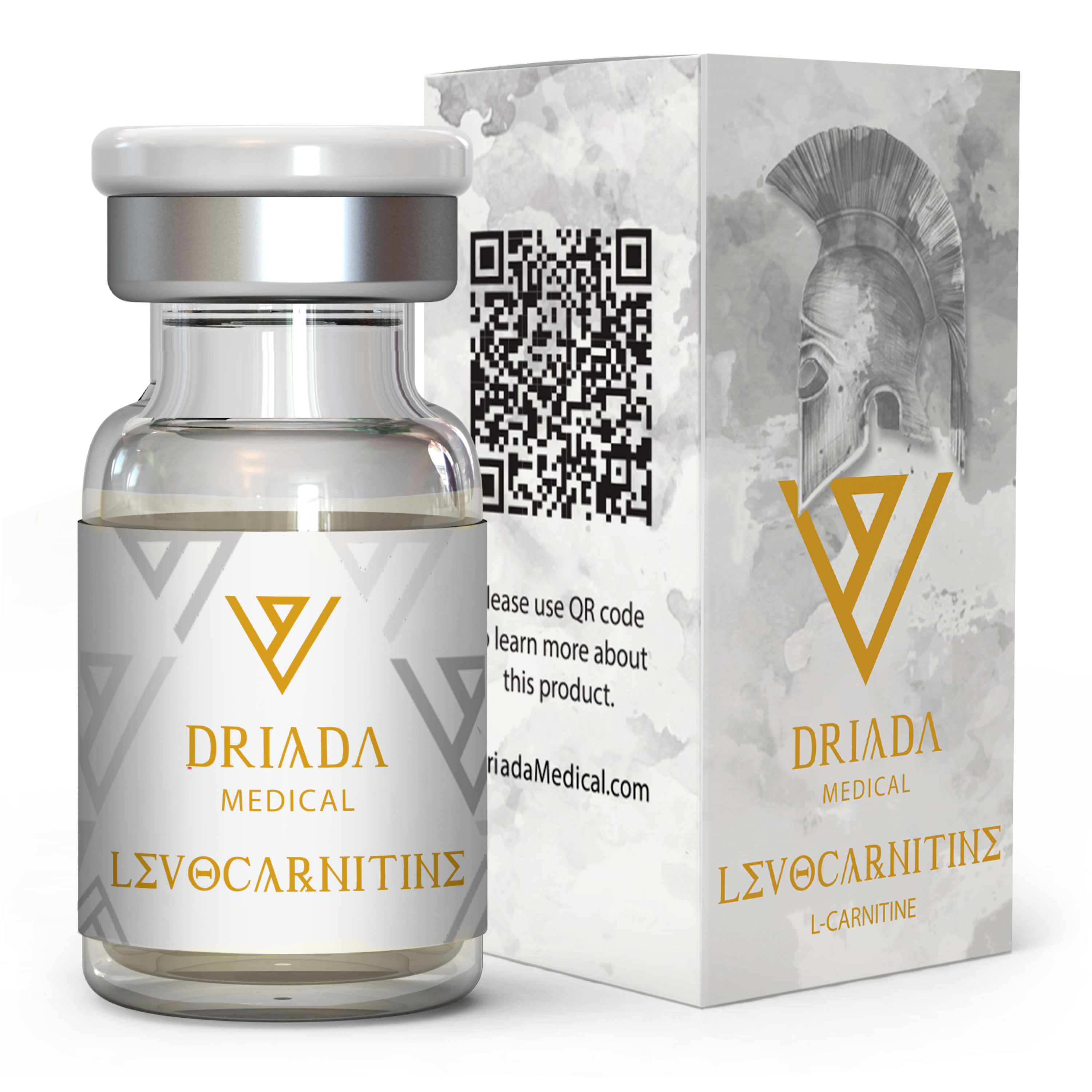
L-carnitine 500 mg
L-Carnitine is an amino acid that is produced in your body naturally, mostly in the liver and kidneys, from two amino acids called lysine and methionine. Its main job is to help move fats into mitochondria cells, where the fats get broken down to create energy, known as ATP. You can get L-Carnitine from food sources like red meat, poultry, fish, and dairy, but for many athletes and bodybuilders, relying on these dietary sources alone doesn't cut especially when trying to maximize endurance or cut fat. That's where injectable version comes in. It's absorbed directly into the bloodstream, allowing faster and more effective results compared to oral supplements.
The main difference of L-Carnitine - unlike stimulants or thermogenic agents, it doesn't rev up the nervous system or raise body temperature to aid fat loss. So, you don't get the jitters, anxiety, or a racing heart, which makes it a much easier option for people who want to steer clear of stimulant-related side effects. What it does instead is help your body use fat more effectively as energy, making things run smoother and more reliably.
In the fitness and bodybuilding world, L-Carnitine is also appreciated for how it helps with recovery. During training, L-Carnitine helps the body use glycogen more efficiently and also stimulates the use of fat as fuel. Thanks to this, athletes can train longer and more effectively without feeling severe muscle fatigue. L-Carnitine is often used during cutting phases when the main goal is to lose fat while maintaining muscle mass. L-carnitine helps maintain stable energy levels during prolonged physical activity, so athletes involved in endurance sports also benefit.
Some studies suggest that L-carnitine may be beneficial for the cardiovascular system, especially for professional athletes. L-carnitine improves the process of burning fat in heart cells as well, which helps the heart work more efficiently during intense training.
This whole process is very efficient at creating energy from fat, which is why L-Carnitine plays a key role in sustaining energy levels by helping the body use fat more effectively.
Recycling of L-Carnitine
After the fatty acid has been transferred to Coenzyme A inside the mitochondria, L-Carnitine is freed up and ready to be reused. It leaves the mitochondria through the same transport protein that helped it bring the fatty acid in. This recycling process allows L-Carnitine to keep bringing more fatty acids into the mitochondria, making it a crucial part of the fat-burning process.
Prevention of Toxic Accumulation and Cellular Homeostasis
L-Carnitine has another important job—making sure toxic byproducts from fat metabolism don’t build up in the cells. If fatty acids aren’t broken down properly, they can pile up in the cell and cause problems, leading to something called lipotoxicity. By helping transport fatty acids into the mitochondria, L-Carnitine keeps these harmful byproducts from accumulating, helping cells stay balanced and healthy.
L-Carnitine also helps clear out short- and medium-chain fats that can build up in the mitochondria during metabolism. Even though these fats are smaller, they can still slow down the cell’s ability to produce energy if not dealt with. L-Carnitine binds to them and moves them out of the mitochondria, keeping everything running smoothly.
Differences Between Oral and Injectable L-Carnitine
L-Carnitine is well-known for helping with fat metabolism and energy production, and it comes in both oral and injectable forms. While both can boost fat burning and improve endurance, there are some key differences when it comes to how they’re absorbed, their bioavailability, and how effective they are, which can affect how they’re used.
Bioavailability and Absorption Rates: One of the biggest differences between oral and injectable L-Carnitine is how much of it your body actually absorbs. With oral L-Carnitine, only about 15-18% of what you take makes it into your bloodstream because of what’s called "first-pass metabolism" in your liver and digestive system. This means a lot of it doesn’t get used efficiently, so you may need to take higher doses to see the results you want. Injectable L-Carnitine, on the other hand, skips the digestive system entirely and goes straight into your bloodstream, giving you almost 100% absorption. This makes the injectable form much more potent and effective, so you can take lower doses and still see significant effects.
Onset of Action: Because injectable L-Carnitine goes directly into your bloodstream, it starts working much faster than the oral form. You can feel the effects within minutes after injection, which is especially useful when you need quick results, like during intense workouts or fat-loss phases. Oral L-Carnitine takes longer to kick in—plasma levels don’t peak until a few hours after you take it.
Side Effects and Tolerability: Oral L-Carnitine can sometimes cause mild digestive issues like nausea or diarrhea, especially if you’re taking higher doses. Injectable L-Carnitine avoids these problems since it bypasses your digestive system altogether. However, there is a chance of local irritation or pain at the injection site if it’s not administered properly.
Dosage, Administration, and Precautions
Dosage: For injectable L-Carnitine, most people take between 500 mg and 2,000 mg a day, depending on their goals and body weight. If you’re an athlete, you might tweak your dose based on how hard you’re training and the results you’re after. Generally, lower doses are good for everyday energy support and fat loss, while higher doses are more common during intense cutting phases.
Administration: You can inject L-Carnitine either into your muscles (intramuscularly). Most people take it about 30-60 minutes before cardio to help boost fat burning during the workout. If you’re using it for general energy, you can take it in the morning on an empty stomach. One thing to keep in mind: it’s a good idea to switch up your injection sites to avoid irritation or scarring.
Precautions: L-Carnitine is pretty safe overall, but some people might notice things like stomach upset or muscle cramps, especially with higher doses. To avoid these, make sure you’re staying hydrated and slowly increase your dose if needed.
Side Effects
Here are some possible side effects to keep in mind with L-Carnitine:
Nausea
Digestive issues like diarrhea or cramping
Reactions at the injection site (redness, swelling, or discomfort)
Muscle cramps
Headaches
A fishy body odor (caused by a metabolic byproduct called trimethylamine)
Seizures (for those with a history of epilepsy)
How to Store L-Carnitine
Keep it out of reach of children
Store it in a cool, dry place away from direct sunlight
Room temperature storage is ideal
Don’t use it past the expiration date
